Breaking Barriers: Overcoming Challenges in the Classroom
“Breaking barriers in the classroom” is more than just a buzzword—it’s a call to action. In today’s dynamic educational world, teachers face various challenges that can disrupt learning and slow progress. But these very challenges present an opportunity to break through barriers and drive meaningful change in the classroom.
Breaking barriers is not just about solving problems—it’s about changing how we view and address them. It’s about breaking down the walls that hinder communication, inclusivity, and student engagement. By embracing the challenges, we can break through to a new way of teaching that values every student’s individuality and fosters collaboration.
In this post, we’ll look at how to break through communication barriers, break down stereotypes, and break open new possibilities for student-centered learning. We’ll explore how to break free from outdated methods and embrace flexible, inclusive strategies that break the cycle of disengagement. With the right mindset and tools, we can break down the barriers that prevent students from reaching their full potential.
Together, let’s break barriers and build classrooms where every student’s potential is recognized, nurtured, and realized.
Identifying Common Classroom Challenges
The modern classroom is a melting pot of diversity, brimming with opportunities yet riddled with unique challenges. Understanding and addressing these obstacles is crucial to fostering an inclusive and productive learning environment. Below is a detailed exploration of some common challenges faced by educators today and why tackling them effectively is essential.
- Language Barriers
Language barriers can significantly hinder students’ ability to understand and actively participate in lessons. This is particularly noticeable in classrooms with diverse linguistic backgrounds, including:
- English Language Learners (ELLs): Students who are learning English as an additional language and may struggle with basic vocabulary or complex sentence structures.
- International Students: Learners from different countries who face difficulties in adapting to a new language and culture simultaneously.
- Students from Multilingual Households: Children who may mix languages or have limited exposure to the classroom’s primary language at home.
Challenges:
- Misunderstanding instructions or assignments.
- Inability to express thoughts, ideas, or questions.
- Social isolation due to language differences.
| Strategy | Description |
| Visual aids | Use images, diagrams, and videos to supplement verbal instruction |
| Peer tutoring | Pair native speakers with ELLs for collaborative learning |
| Translated materials | Provide key resources in multiple languages |

- Learning Disabilities
Learning disabilities are neurological conditions that affect how students acquire, process, or retain information. Common types include:
- Dyslexia: Difficulty with reading, spelling, and writing due to challenges in processing language.
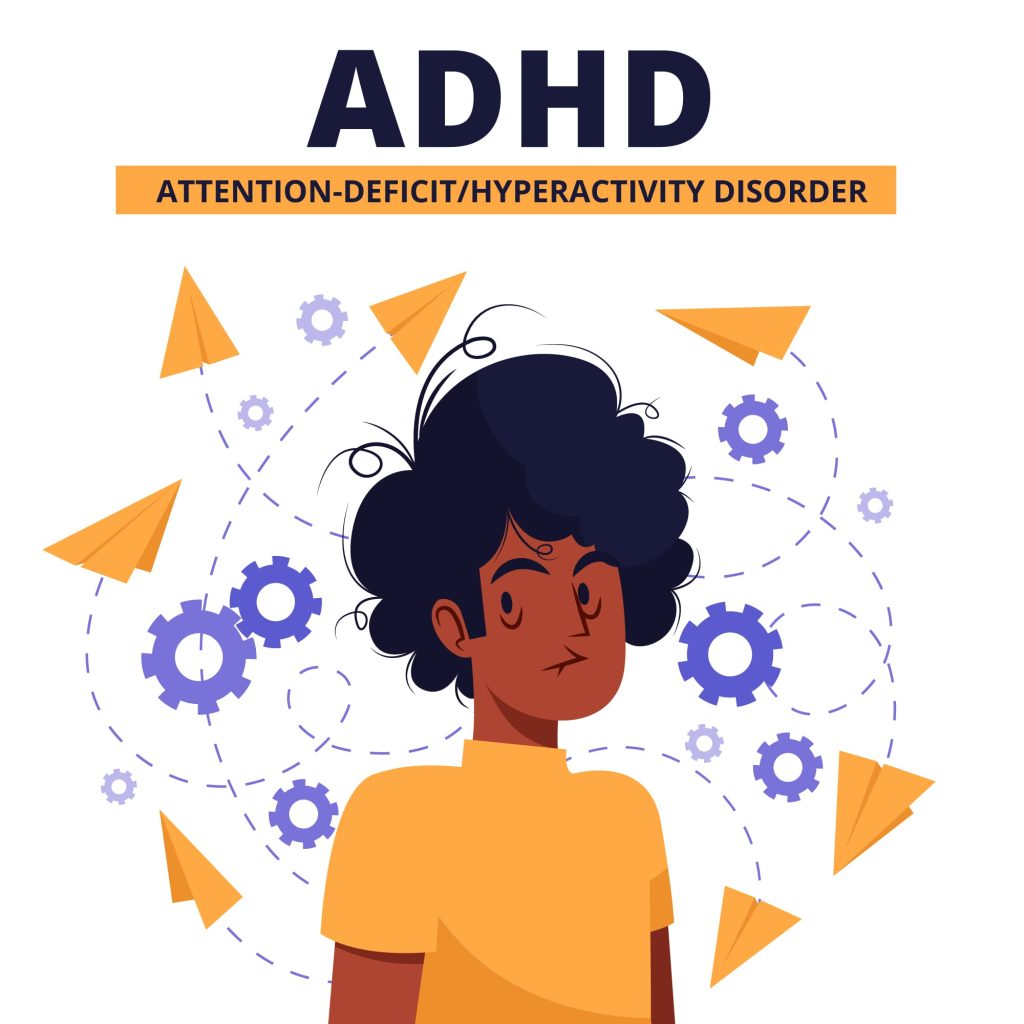
- ADHD (Attention-Deficit/Hyperactivity Disorder): Challenges with attention, impulsivity, and hyperactivity.
- Dyscalculia: Difficulty in understanding numbers, mathematical concepts, and calculations.
Challenges:
- Slower academic progress compared to peers.
- Frustration, low self-esteem, or behavioral outbursts stemming from learning struggles.
- Difficulty keeping up with fast-paced lessons or standardized testing formats.
| Strategy | Description | Example |
| Individualized Education Plans (IEPs) | Tailor lessons to meet the needs of students with disabilities. | Allowing extra time for tests for a dyslexic student. |
| Assistive Technologies | Use tools like text-to-speech software or audiobooks. | Providing a tablet with a voice recorder for note-taking. |
| Multi-Sensory Techniques | Engage visual, auditory, and tactile senses for better learning. | Teaching multiplication using physical manipulatives. |
- Cultural Differences
Cultural diversity in the classroom enriches learning but may create challenges due to variations in:
- Communication Styles: Non-verbal cues, tone, and eye contact vary across cultures and may lead to misunderstandings.
- Learning Preferences: Some cultures value collaborative learning, while others emphasize individual achievement or rote memorization.
- Behavioral Norms: Expectations around punctuality, participation, or authority can differ, leading to perceived misbehavior or disengagement.
Challenges:
- Miscommunication between students and teachers.
- Hesitation to participate due to fear of unintentionally offending others.
- Feelings of exclusion or being misunderstood.
| Strategy | Description | Example |
| Culturally Inclusive Curriculum | Incorporate diverse perspectives in lessons. | Discussing historical events from multiple cultural viewpoints. |
| Cultural Awareness Activities | Celebrate and educate about cultural diversity. | Hosting a “Cultural Exchange Day” to share traditions and foods. |
| Flexible Communication Styles | Adapt feedback and communication to align with cultural norms. | Avoiding direct criticism in cultures that value indirect feedback. |

- Behavioral Issues
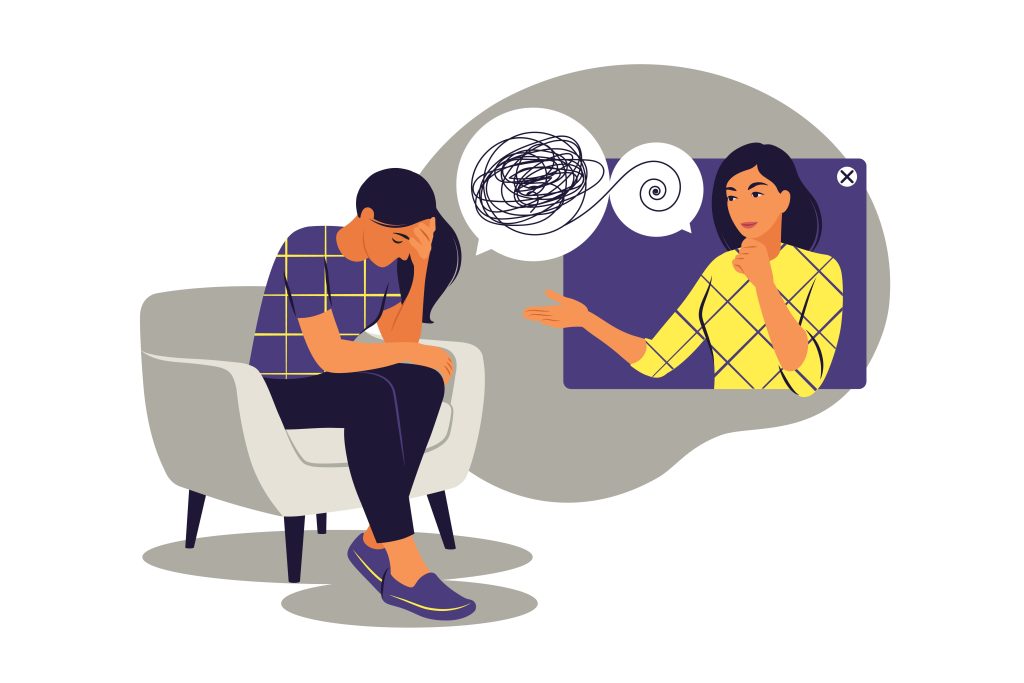
Behavioral challenges can stem from various factors, including emotional struggles, unmet needs, or external stressors. These issues may manifest as:
- Attention-Seeking Behaviors:
Students might disrupt the class to gain attention, such as talking out of turn or acting out. - Defiance or Oppositional Conduct:
Some students may resist authority or refuse to follow instructions, creating tension in the classroom. - Withdrawal or Social Anxiety:
Quiet students may avoid participation, group work, or social interactions due to fear or anxiety.
Challenges:
- Disruptions can impact the entire classroom’s learning environment.
- Negative peer interactions and teacher-student conflicts.
- Difficulty in identifying the root causes of behavior.
| Strategy | Description | Example |
| Positive Reinforcement | Reward desirable behaviors to encourage repetition. | Giving praise or privileges for completing tasks. |
| Clear Expectations | Establish structured routines and rules. | Using visual schedules for younger students. |
| Social-Emotional Learning (SEL) | Teach students to understand and manage emotions. | Starting the day with mindfulness exercises. |
| Behavioral Support Plans | Develop tailored strategies for recurring issues. | Creating a “calm-down corner” for overwhelmed students. |
Effective Communication Strategies
Now that we’ve identified common classroom challenges, let’s explore effective communication strategies that can help break down barriers and foster a more productive learning environment.
Active Listening Techniques
Active listening is a crucial skill for both educators and students. By implementing these techniques, you can create a more engaged and responsive classroom:
- Maintain eye contact
- Use non-verbal cues (nodding, leaning in)
- Paraphrase and summarize
- Ask clarifying questions
Non-verbal Communication Tools
Non-verbal communication plays a significant role in classroom dynamics. Here’s a comparison of effective non-verbal tools:
| Tool | Purpose | Example |
| Facial expressions | Convey emotions | Smiling to encourage participation. |
| Gestures | Emphasize key points | Using hand motions to illustrate concepts. |
| Proximity | Manage attention | Moving closer to distracted students. |
| Posture | Demonstrate engagement | Standing tall and open to show confidence. |
Personalized Learning Approaches
Personalized learning addresses individual student needs, allowing each learner to thrive at their own pace.
Tailored Instruction
- Conduct regular assessments to understand learning preferences and challenges.
- Use adaptive technologies to provide customized learning experiences.
- Offer multiple methods of content delivery, such as videos, hands-on activities, or reading materials.
Differentiated Assessments
| Assessment Type | Benefits | Challenges |
| Project-based | Encourages creativity | Time-consuming |
| Oral presentations | Improves communication skills | May cause anxiety |
| Written reports | Allows in-depth analysis | Language barriers |
| Digital portfolios | Showcases diverse skills | Requires technology access |
Empowering Students
Encourage students to take charge of their learning by:
- Teaching goal-setting techniques.
- Providing regular feedback and check-ins.
- Celebrating their achievements, both big and small.
Empowered students are more motivated and engaged, fostering a positive classroom atmosphere. Incorporating student-led conferences can further enhance their ownership of learning.
Building Support Systems
A robust support system is critical for student success, involving parents, specialists, and peers.
Engaging Parents
- Communicate regularly through newsletters, apps, or meetings.
- Organize workshops to help parents support their children’s learning.
- Encourage parent-teacher collaboration to align home and school efforts.
Partnering with Specialists
| Specialist | Role | Specialist |
| Speech therapists | Support language development. | Speech therapists |
| Occupational therapists | Enhance motor skills. | Occupational therapists |
| School psychologists | Address behavioral and emotional needs. | School psychologists |
Mentorship and Peer Support
- Create mentorship programs where older students or community professionals guide younger learners.
- Encourage peer support through study groups or buddy systems to promote collaboration and social connections.

Conclusion
Breaking barriers in the classroom is a multifaceted effort that requires understanding, adaptability, and collaboration. By addressing challenges with tailored strategies and fostering an inclusive environment, educators can empower every student to achieve their full potential. Together, we can transform challenges into opportunities and build classrooms where all learners thrive.