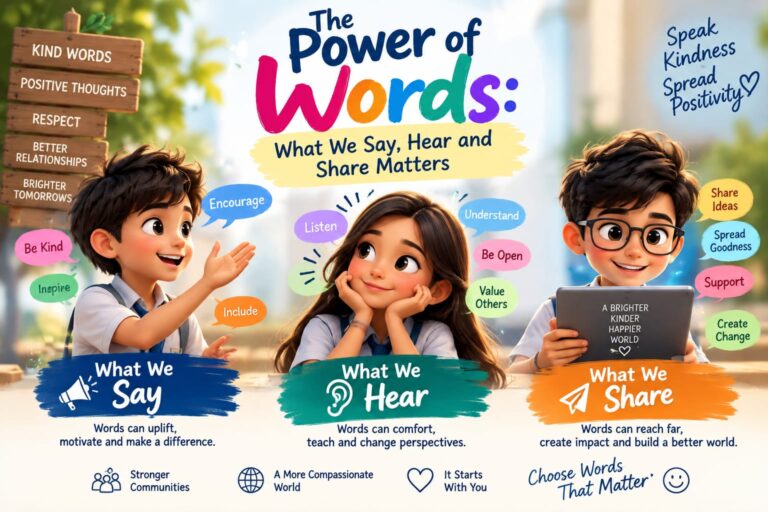
The Power of Words: What We Say, Hear and Share Matters
Every day, we exchange hundreds of words.
We speak to our friends. We listen to our classmates. We watch videos and social media posts. We hear conversations in classrooms, corridors and buses.
Sometimes, we talk about people who are not present. Sometimes, we laugh at someone, make fun of them, use inappropriate words, or spread something we have heard without knowing whether it is true.
We may think these are only words.
But words have an impact.
The power of words can influence the way we think, feel and behave. The words we speak, the conversations we listen to, and the things we choose to watch and share can shape the environment around us.
This is what we can call the energy / power of our words.
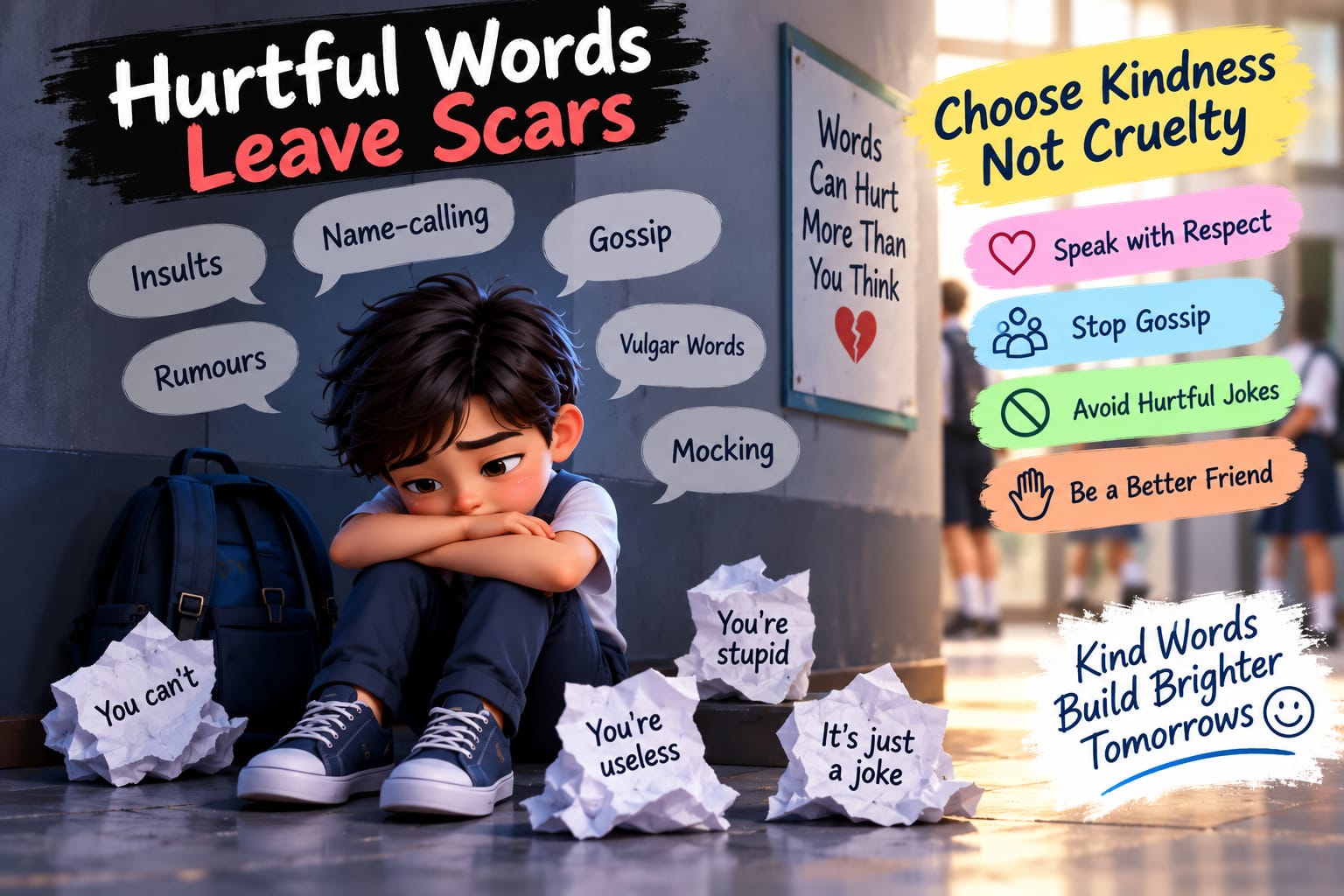
Table of Contents
- Positive Energy Begins With Positive Words
- The Power of Words: How Negative Words Can Leave a Lasting Mark
- Gossip: When Someone Else Becomes the Topic
- What We Hear Also Matters
- What We Watch Matters Too
- Your Words Can Change the Classroom
- Think Before You Speak: The 5-Second Rule
- Words, Character and Good Education
- A Simple Challenge for Every Student
- The Energy We Create Is the Environment We Live In
Positive Energy Begins With Positive Words
Positive energy is not about pretending that everything is perfect.
It is about choosing words and actions that encourage, respect and strengthen others.
A simple “You can do it.” can give someone confidence.
“Well done!” can make someone feel appreciated.
“Don’t worry, try again.” can give someone the courage to continue.
“How can I help you?” can make someone feel that they are not alone.
These may seem like small sentences, but repeated positive communication can help create a classroom where students feel respected, connected and safe.
Positive communication is also an important part of developing healthy relationships. Students learn not only from textbooks and lessons but also from the way people around them communicate.
A kind word can encourage someone to participate.
A respectful response can prevent an argument.
A simple compliment can brighten someone’s day.
The power of words often begins with these small moments.
The Power of Words: How Negative Words Can Leave a Lasting Mark
The opposite is also true.
Words such as insults, name-calling, mocking, humiliating comments, vulgar language and hurtful jokes can affect another person’s confidence and sense of belonging.
Sometimes, the person who says them may forget them within minutes.
But the person who hears them may remember them for much longer.
A student who is repeatedly told:
- “You are useless.”
- “You cannot do anything.”
- “You are stupid.”
or is constantly laughed at may slowly begin to believe those words.
That is why “I was only joking” is not always an excuse.
A joke is not harmless when it repeatedly hurts, embarrasses or humiliates another person.
Before making a joke about someone, we should ask ourselves whether that person would also find it funny. If the answer is no, it may be better to choose different words.
Words can build confidence, but they can also break it.
That is why understanding the power of words is an important part of becoming a responsible and caring person.
Gossip: When Someone Else Becomes the Topic
One of the most common forms of negative communication among students is gossip.
Gossip happens when we discuss another person who is not present, especially when the conversation involves their personal matters, mistakes, relationships, appearance, family or weaknesses.
Sometimes gossip begins with:
“Did you hear what happened to…?”
Then another person adds something.
Someone else exaggerates it.
Another person forwards it.
Soon, something that may have started as a small comment becomes a completely different story.
The problem is that we cannot always take back words once they have been spoken or shared.
In today’s digital world, this becomes even more important. A rumour can move from one conversation to a group chat, from a group chat to social media, and then reach many more people.
Before talking about someone, ask yourself:
- Is it true?
- Is it necessary?
- Is it kind?
- Would I say the same thing if that person were standing beside me?
If the answer is no, it may be better not to say it.
Choosing not to participate in harmful gossip is not weakness. It is a sign of maturity and self-control.
What We Hear Also Matters
It is not only the words we speak.
The conversations we repeatedly listen to can influence the atmosphere around us.
Imagine a student spending every break listening to friends complain about teachers, criticize classmates, use inappropriate language, spread rumours and make fun of others.
Even if that student does not participate at first, such conversations can gradually become normal.
This is why students need to learn an important life skill:
Choose what you allow into your mind.
You do not have to participate in every conversation.
You can walk away.
You can change the topic.
You can say:
“Let’s not talk about someone who isn’t here.”
Or:
“We don’t know whether that’s true.”
Or simply:
“Let’s talk about something positive.”
That is not weakness.
That is self-control.
The people and conversations around us can influence what begins to feel normal. Choosing positive conversations can therefore be an important part of building a positive school environment.
What We Watch Matters Too
Today, students are exposed to an enormous amount of content through phones, videos, games and social media.
Some content encourages kindness, creativity, learning and courage. Other content normalizes insults, bullying, vulgar language, humiliation and disrespect.
When something is repeatedly watched, it can begin to feel normal. Therefore, students should develop the habit of asking:
“Is this something I want to fill my mind with?”
Not everything that is popular is good for us. Not everything that makes us laugh makes us better people. Not everything that receives thousands of views deserves our attention.
Be careful about what you repeatedly watch, listen to and share.
The same principle applies to social media. Before forwarding a video, screenshot, message, meme or rumour, stop and think about its possible impact on someone else.
Responsible digital behaviour is part of responsible communication.
Your Words Can Change the Friendship
Imagine two friend groups.
In the first group, friends constantly tear each other down, gossip behind their backs, mock mistakes, and use harsh words. In the second group, friends build each other up, respect individual boundaries, show up during tough times, and genuinely celebrate each other’s wins.
Which group would you rather spend your weekends with?
The answer is obvious.
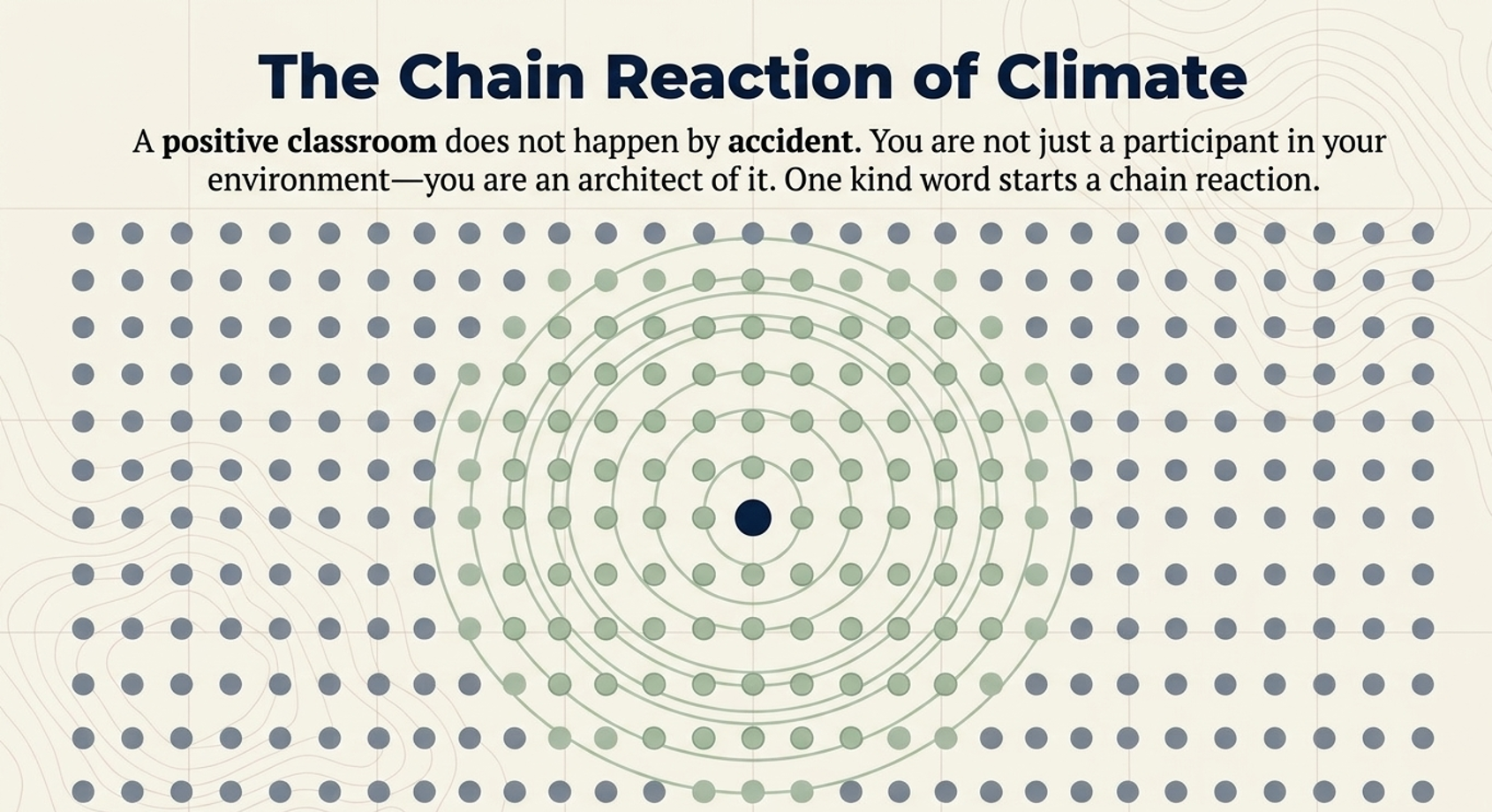
A healthy, supportive friend group does not happen by accident. Every member contributes to its dynamic. One supportive text can turn someone’s entire week around. One sarcastic, cruel remark can instantly poison the vibe. That means every person in the circle carries a responsibility.
The power of words is especially visible among friends because you choose to share your lives and vulnerabilities with them. The words you use can influence whether your friends feel safe confiding in you, admitting their flaws, sharing big dreams, or just being their authentic selves.
A friendship circle becomes unbreakable when everyone understands that kindness and respect are shared responsibilities.
Think Before You Speak: The 5-Second Rule
Before saying something about another person, pause for five seconds and ask:
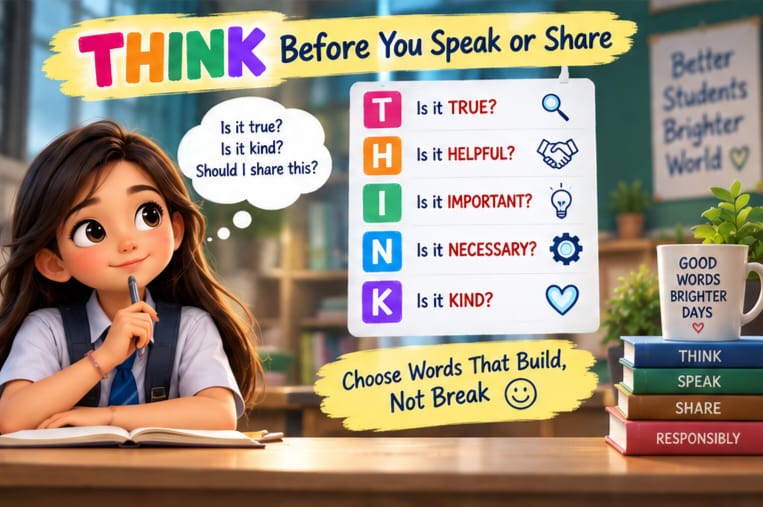
T – Is it TRUE?
H – Is it HELPFUL?
I – Is it IMPORTANT?
N – Is it NECESSARY?
K – Is it KIND?
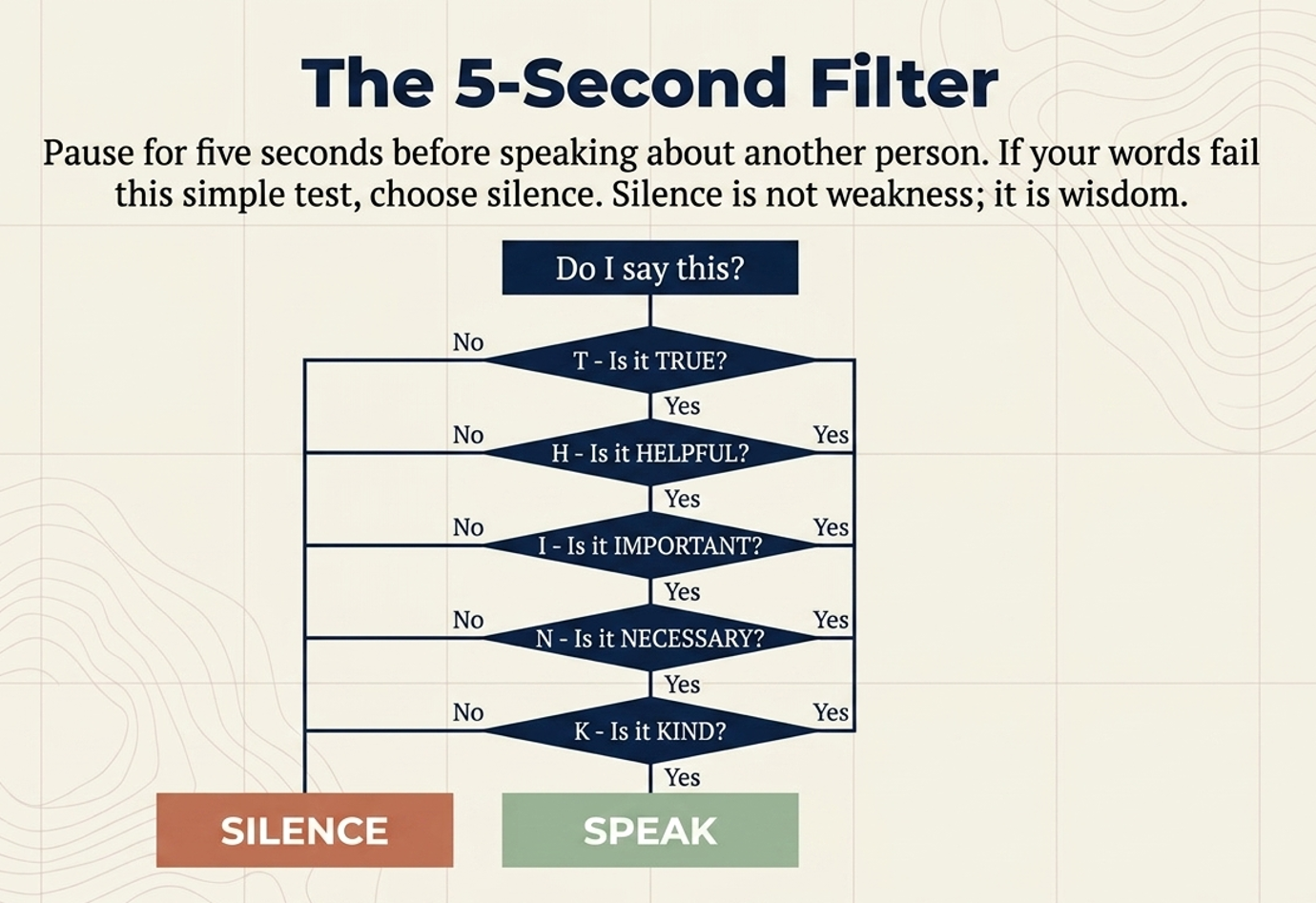
If your words fail this simple test, choose silence. Sometimes silence is not a lack of courage. Silence is wisdom.
The THINK rule is a simple reminder that not every thought needs to become a spoken comment, message or social media post.
Taking a few seconds before speaking can help us choose better words and avoid unnecessary hurt.
Words, Character and Good Education
Students are growing not only academically but also as human beings.
Good education is not just about getting high marks.
It is also about learning:
- How to respect others
- How to control our emotions
- How to disagree respectfully
- How to handle anger
- How to speak without hurting
- How to avoid gossip
- How to apologize when we make mistakes
- How to encourage someone who is struggling
- How to use social media responsibly
- How to choose friends and conversations wisely
These are skills that students will carry throughout their lives.
Social-emotional learning also emphasizes skills such as self-management, social awareness, relationship skills and responsible decision-making.
Students can learn these skills through lessons, activities and, importantly, through everyday interactions with teachers and classmates.
The way we speak to others is one part of the person we are becoming.
A Simple Challenge for Every Student
Starting today, make a small promise to yourself:
- I will not insult others.
- I will not use vulgar or inappropriate words.
- I will not spread rumors.
- I will not gossip about someone who is not present.
- I will not laugh at another person’s weakness or mistake.
- I will not share hurtful content just because it is funny or popular.
- I will speak respectfully, even when I disagree.
- I will encourage more and criticize less.
- I will think before I speak.
And most importantly:
I will try to leave people feeling better after talking to me, not worse.
This is a simple promise, but it can make a meaningful difference.
The Energy We Create Is the Environment We Live In
Every school is made up of people.
Every classroom is made up of people.
Every friendship is shaped by communication.
And every conversation contributes something to the environment around us.
So let us choose carefully what we contribute.
Let our words carry kindness instead of cruelty, encouragement instead of discouragement, truth instead of gossip, respect instead of insults, and hope instead of negativity.
Because we may not remember every conversation we have tomorrow.
But someone else may remember how our words made them feel.
Speak good words. Think good thoughts. Choose good conversations.
Be the positive energy someone needs today.
Your words are powerful.
Use them to build, not to break.